Dry Hopping: Techniques and Impact on Beer Flavor Profile
Dry Hopping: Techniques and Impact on Beer Flavor Profile
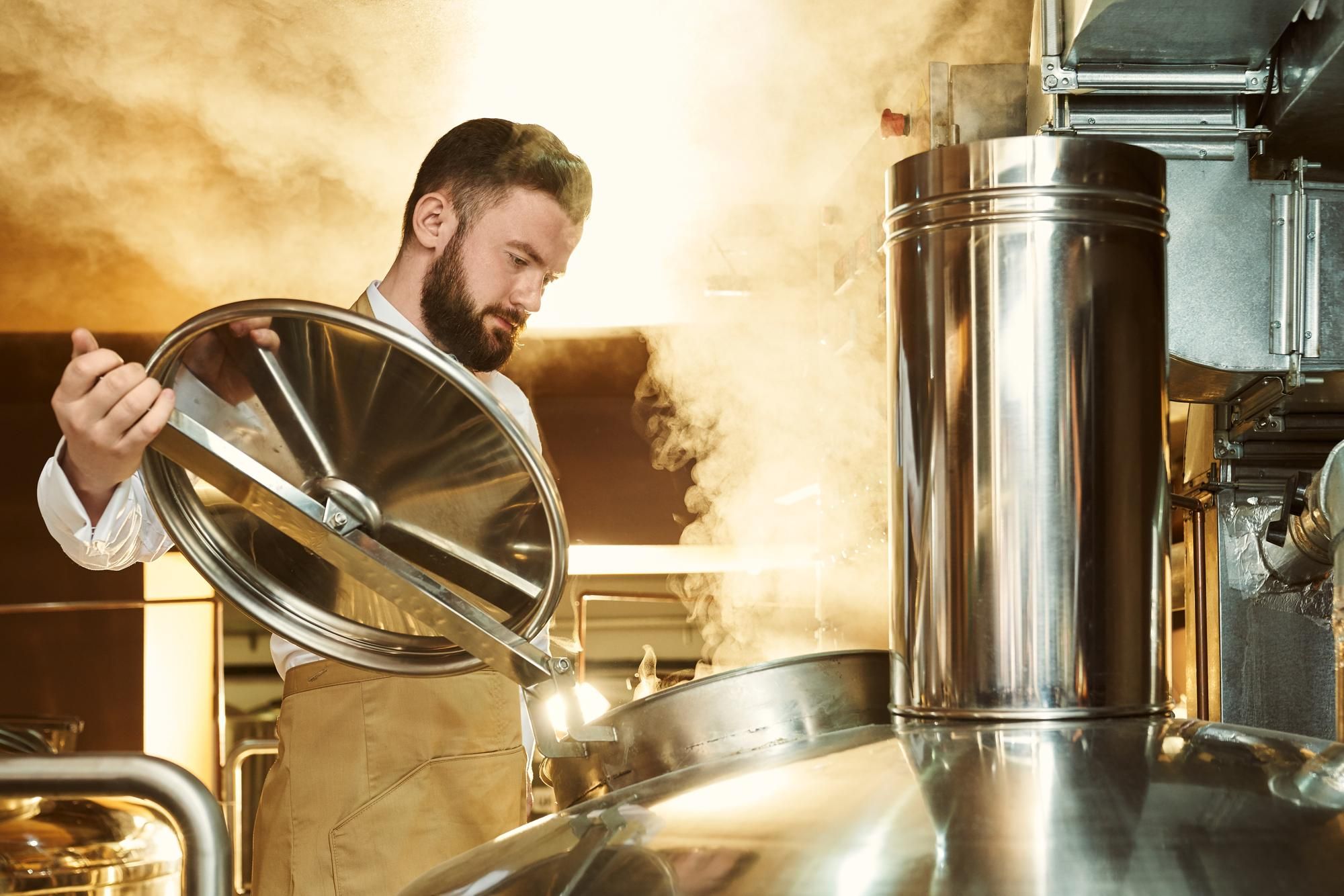
Dry hopping, also known as "cold hopping", involves adding hops to beer after the boiling stage, usually during secondary fermentation. The hops are thrown directly into the fermenter and soak in the beer for a period of several days to even two weeks. The goal is to enhance the hop flavor in beer without adding additional bitterness. This is particularly popular in beer styles such as IPA (India Pale Ale), where a strong hop aroma is desired.
There are several different dry hopping techniques that brewers can try, and the choice depends on specific expectations for taste and aroma. Some brewers prefer to add hops at the beginning of secondary fermentation when the beer is still actively fermenting. Others wait until fermentation is complete and then add the hops. Some even opt for multi-stage dry hopping, adding hops at different points during secondary fermentation.
Impact on the flavor profile of beer:
Dry hopping has a significant impact on the flavor and aroma profile of beer. Through this process, subtle hop aromas such as citrus, flowers, grass, or tropical fruits become more pronounced. Since hops are added after the boiling stage, the compounds responsible for these delicate aromas are not lost through evaporation.
Additionally, dry hopping can affect the perceived "smoothness" of beer. Hops contain natural oils that, when added to beer cold, can give it a silky, smooth texture.
However, it's worth remembering that dry hopping does not affect the bitterness of beer. Bitterness in beer is a result of the isomerization of alpha acids during boiling, so adding hops cold does not contribute to this effect.
How to choose hops for dry hopping:
The choice of hops for dry hopping is crucial for the final flavor profile of the beer. Hops with a higher content of essential oils, such as myrcene, are ideal for dry hopping.
Below are some hop varieties that are popular among brewers using this technique:
Amarillo - a popular hop with citrus and floral aromas, containing large amounts of myrcene oil (60-70%).
Simcoe - a versatile hop that gives the beer beautiful fruity and earthy aromas. Contains large amounts of myrcene oil (40-50%) and humulene oil (15-20%).
Mosaic - known for its floral and fruity aromas with earthy undertones. Contains over 50% myrcene oil.
Galaxy - an Australian hop with intense aromas. Its high levels of oils, including myrcene and humulene, make it ideal for dry hopping.
Citra - known for its citrus flavors and aroma. It is particularly popular due to its high level of myrcene oil (60-65%).
Cascade - a hop with an exceptionally high level of myrcene oil (up to 70%), which gives the beer a fragrance of flowers, citrus, and spices.
Centennial - a hop with an exceptional oil composition, known for pine resin, citrus, and floral notes.
Columbus - a hop with a high level of alpha acids (14.5–17.0%), myrcene oil (40–55%), and humulene oil (9–18%), with a slightly biting, earthy, spicy aroma with notes of pine resin.
Chinook - a hop with piney and citrusy aromas, with an earthy aftertaste, which in large quantities can give the beer appetizing grapefruit notes.
Crystal - a hop with surprisingly large amounts of essential oils and a low alpha acid level (3.0–6.2%), which during the dry hopping process releases the most pleasant floral, woody, spicy, and herbal aromas.
[Podział zawijania tekstu]In summary, cold hopping is a technique that allows for the creation of unique, complex flavor and aroma profiles. The choice of appropriate hops, temperature and time control, as well as appropriate equipment can significantly affect the final product. Regardless of whether you are a beginner or experienced brewer, applying these techniques and tips can take your beer brewing skills to a whole new level.